Dubai’s construction sector represents one of the most demanding operational theaters for concrete pumping equipment globally. The confluence of extreme climatic conditions, stringent project timelines, and the prevalence of high-performance concrete specifications creates a unique set of operational exigencies. Stationary concrete pumps, while inherently robust, require deliberate adaptation and meticulous operational protocols to maintain peak efficiency and reliability in this environment. Deploying a pump configured for temperate climates without modification invites accelerated component degradation, frequent blockages, and costly downtime. This analysis provides a systematic framework for adapting stationary concrete pump systems to Dubai’s specific working conditions, addressing thermal management, material handling, and preventative maintenance protocols essential for sustained, high-availability performance.
Thermal Management and System Protection
The ambient temperatures prevalent in Dubai, frequently exceeding 45°C during summer months, impose severe thermal stress on hydraulic systems. Effective heat dissipation is not optional; it is a prerequisite for operational continuity.
Hydraulic Oil Cooling Capacity Augmentation
Standard hydraulic oil coolers are often undersized for sustained operation in Dubai’s peak summer conditions. Proactive adaptation involves specifying or retrofitting a cooler with at least 30-40% excess thermal capacity. Consideration should be given to coolers with thermostatically controlled, high-velocity fans and larger core surface areas. Synthetic hydraulic oils with a higher viscosity index (ISO VG 46 or 68) are strongly recommended, as they maintain film strength and lubricity at elevated temperatures better than conventional mineral oils. Regular oil analysis for viscosity and oxidation should be conducted monthly during summer operations to identify thermal degradation before it compromises pump performance.
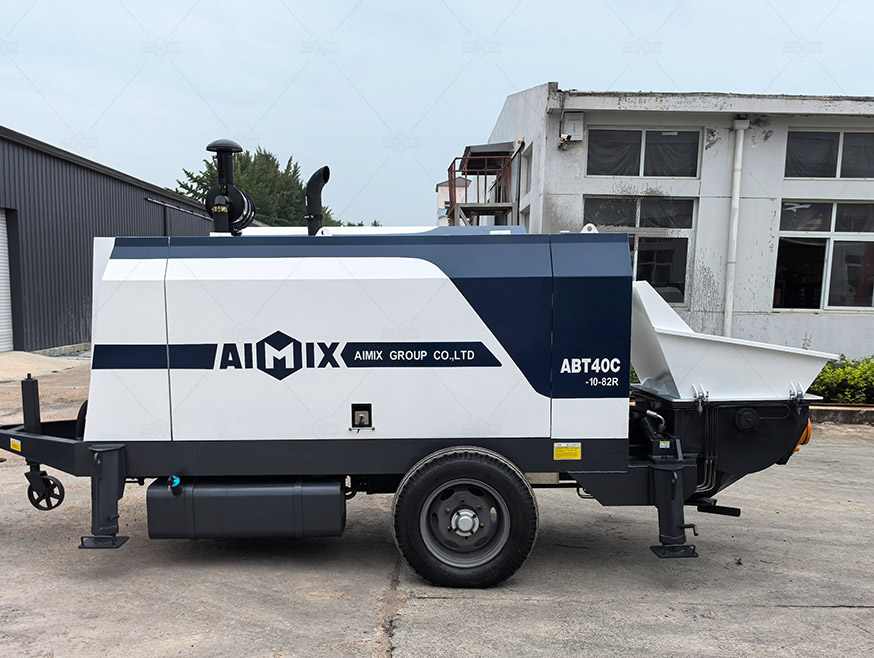
Heat Shielding and Component Isolation
Stationary pumps often operate in unshaded environments, with direct solar radiation exacerbating component temperatures. Installation of reflective shielding or the construction of temporary tensile shade structures over the line pumpcrete unit can reduce radiant heat gain by 15-20°C. Critical components—electronic control cabinets, pressure accumulators, and hydraulic hose runs—should be specifically shielded or relocated away from direct exposure. The control cabinet, if not already specified with an IP65 rating and active cooling, should be fitted with an enclosure air conditioner or vortex cooler to prevent electronic component failure due to overheating.
Material Handling and Concrete Mix Adaptation
The concrete mixes commonly specified in Dubai’s high-rise and infrastructure projects present distinct pumping challenges. High-strength mixes, often exceeding 80 MPa, incorporate significant cementitious content, superplasticizers, and sometimes silica fume. These formulations exhibit higher internal cohesion and pipe friction, increasing pump wear.
Pipeline Configuration and Lubrication Protocol
Minimizing pipeline resistance is critical. Where possible, specify pipeline diameters at the upper end of the pump’s capability (typically 125mm or 5-inch) to reduce flow velocity and resultant friction losses. The layout should prioritize the straightest possible run with a minimized number of elbows; each 90-degree elbow imposes resistance equivalent to approximately 15 meters of straight pipeline. Elbows should be long-radius sweeps rather than short-radius types to reduce turbulence and wear.
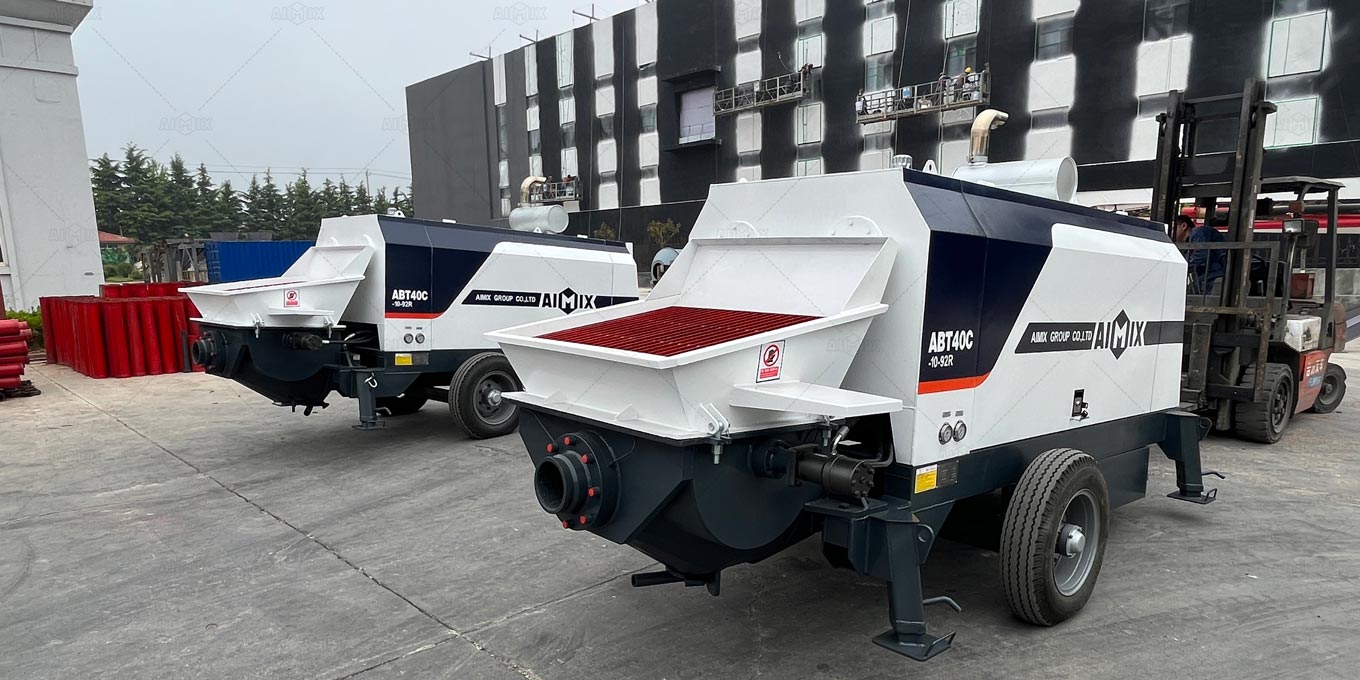
A rigorous, non-negotiable pipeline priming protocol must be enforced. Before any concrete is introduced, a cement grout slurry—not just water—must be pumped through the entire system. This creates a lubricating film on the pipe wall, dramatically reducing initial pumping pressure and preventing water absorption from the leading concrete face, which can cause plugging. In Dubai’s heat, the grout mix should incorporate a hydration stabilizer to prevent premature stiffening during this critical preparatory phase.
S-Valve and Wear Component Strategy
The S-valve and its associated wear plates and cutting rings are the concrete pump’s highest-wear interface. In high-pressure, high-abrasion applications common in Dubai, specifying components with enhanced hard-facing materials is essential. Chrome carbide overlay or ceramic composite liners in the S-valve body can extend service life by 300-400% compared to standard hardened steel. An inventory of these critical wear parts should be maintained on-site; the lead time for emergency importation is incompatible with Dubai’s accelerated construction schedules.
Preventative Maintenance and Operational Vigilance
Adaptation extends beyond initial configuration to encompass a regime of heightened preventative maintenance. The cumulative effect of heat, abrasion, and continuous high-pressure operation demands a more intensive care protocol than standard manufacturer recommendations.
Compressed Lubrication and Filtration Discipline
The automatic greasing system is the pump’s lifeline. In Dubai’s conditions, verification of its functionality must be a daily pre-start checklist item. Grease lines should be purged and inspected weekly for blockages, and the reservoir should be protected from dust ingress. Hydraulic and gearbox oil change intervals should be halved from standard recommendations during summer operation. Oil and filter samples should be sent for spectrometric analysis quarterly to detect ingress of siliceous dust, a pervasive contaminant that accelerates component wear.
Water System Integrity and Concrete Washout Management
The availability and quality of water for pump cleaning and hopper lubrication is frequently underestimated. Dubai’s water supply, often from desalination sources or storage tanks, can contain chlorine or other minerals that accelerate corrosion in pump hoppers and delivery pipelines. A dedicated, filtered water supply is recommended. After each pour, the pump hopper and S-valve area must be thoroughly cleaned to prevent hardened concrete accumulation, which restricts valve movement and causes excessive hydraulic pressure. A high-pressure washer with heated water capability is a valuable investment for this task.
Operator Proficiency and Diagnostic Competency
The most sophisticated adaptation is ineffective without skilled operation. Dubai’s transient workforce requires that contractors invest in continuous, localized training programs. Pump operators must be proficient not only in control operation but in interpreting pressure gauge readings to diagnose developing blockages. A sustained increase in baseline pumping pressure at consistent output indicates pipeline buildup or impending component failure. This diagnostic competency allows for corrective action—such as a pipeline flush or S-valve adjustment—during planned pauses rather than during a critical pour. By systematically addressing thermal management, material handling, and maintenance protocols, trailer concrete pumps can be transformed into highly reliable, high-output assets capable of meeting the extraordinary demands of Dubai’s construction environment.