For construction contractors in Latin America, understanding both the purchase price and the total operational cost of machinery is critical for efficiency and profitability. Among the most valuable investments today are self-loading concrete mixers, which combine loading, mixing, and transport into a single machine. This article explores the self-loading concrete mixer price, operational expenses, and total cost of ownership for projects in Chile, Peru, and beyond.
Factors Affecting Self-Loading Concrete Mixer Price
The self-loading concrete mixer price(autohormigonera precio) depends on several key factors that buyers must carefully evaluate before making a purchase. These include machine capacity, engine type, fuel efficiency, automation features, and brand reputation. Larger mixers with higher output capacities naturally cost more but are suitable for large-scale projects where productivity is paramount.
Machine Capacity and Productivity
Mixers with greater drum volumes and higher production rates will generally command a higher self-loading concrete mixer price. Contractors must balance the upfront cost with potential labor and operational savings. Medium-capacity models often perform best in urban environments where maneuverability is important, while larger models serve extensive infrastructure projects.
Engine Type and Fuel Efficiency
The choice of engine, whether diesel or hybrid, affects both initial cost and ongoing fuel expenses. Efficient engines lower the operational cost of ownership and can offset higher purchase prices over time. Contractors seeking to optimize long-term costs often factor engine efficiency into the self-loading concrete mixer price evaluation.
Operational Benefits of Self-Loading Concrete Mixers
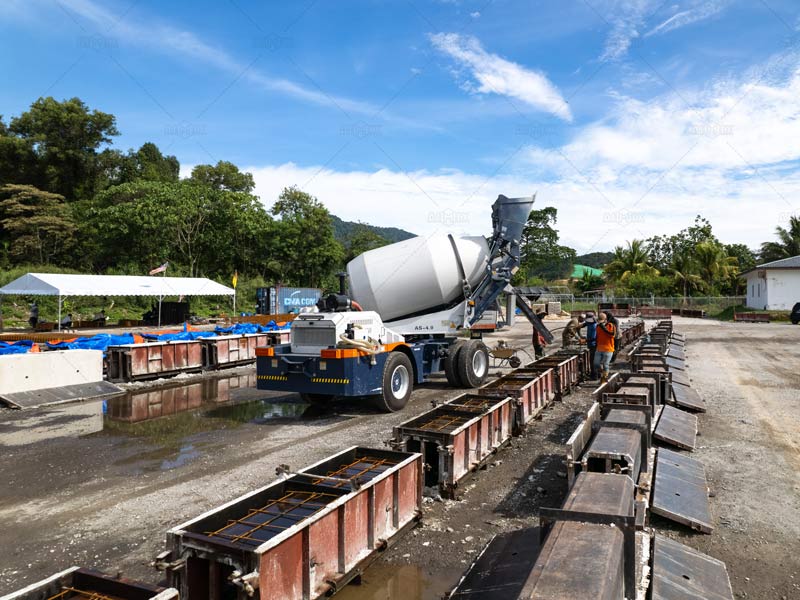
Beyond purchase price, a self-loading concrete mixer(hormigonera autocargable) provides significant operational advantages that reduce total project costs. These machines integrate multiple functions into one, lowering labor requirements, fuel consumption, and transportation needs.
Labor Savings and Productivity
A single operator can manage loading, mixing, and transporting tasks using a self-loading concrete mixer. This efficiency reduces labor costs by up to 40% compared to traditional batching and transport methods, particularly on urban construction sites where multiple workers would otherwise be needed.
Flexibility and Mobility
The versatility of a self-loading concrete mixer allows it to operate effectively in confined spaces and remote sites alike. In cities like Santiago, contractors can use a self loading concrete mixer Chile to navigate tight streets while maintaining continuous concrete production, minimizing downtime and logistical complexity.
Total Cost of Ownership Considerations
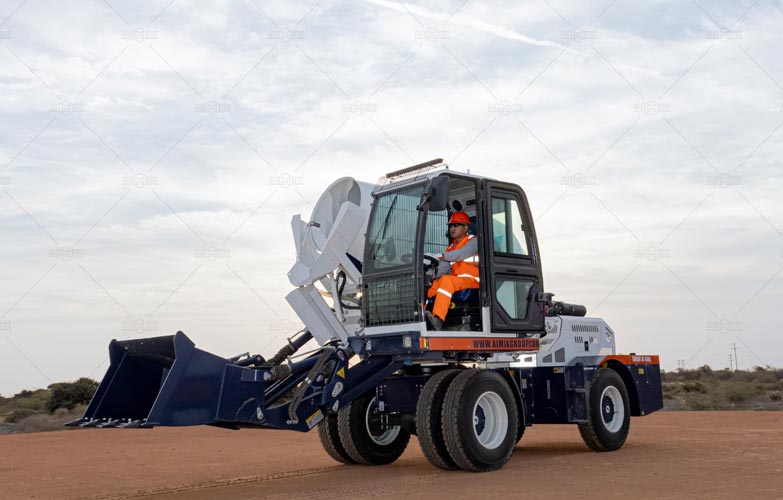
Analyzing the total cost of ownership requires evaluating expenses beyond the purchase price. This includes maintenance, fuel, labor, and depreciation over the machine’s lifecycle.
Maintenance and Service Costs
Regular maintenance of a self-loading concrete mixer prevents breakdowns and ensures consistent performance. Availability of spare parts and local dealer support is particularly important for long-term projects. A well-maintained machine lowers the total cost of ownership and extends the operational life of the mixer.
Operational Efficiency in Chile and Peru
Contractors in Chile often rely on a self loading concrete mixer Chile(auto hormigonera Chile) for urban municipal projects, where mobility and precision are critical. In Peru, remote construction sites benefit from on-site batching, which eliminates the need for long transport routes. Evaluating the self-loading concrete mixer price in Peru alongside operational savings helps contractors determine the best investment.
Fuel and Labor Optimization
Efficient fuel consumption and reduced labor needs are major factors in lowering total costs. A high-quality self-loading concrete mixer can mix, load, and transport concrete in one cycle, saving both time and fuel. Skilled operators further enhance these savings by using automated controls to minimize waste.
Additional Considerations for Purchasing
When comparing options, contractors should look beyond the purchase price to total operational cost. Dealer support, machine reliability, and residual value affect long-term ownership costs.
Brand Reputation and Dealer Network
Choosing a reputable brand ensures consistent performance and access to parts and service. For example, contractors purchasing a self-loading concrete mixer in Chile or Peru benefit from local dealer networks that reduce downtime and repair costs.
Depreciation and Resale Value
Machines that retain higher resale value reduce effective depreciation. Considering the self-loading concrete mixer price alongside expected resale value and operational savings gives a clearer picture of long-term cost efficiency.
Operational Strategies to Maximize ROI
Efficient use of a self-loading concrete mixer can maximize return on investment. On-site batching, careful material management, and preventive maintenance are essential strategies.
On-Site Batching and Material Control
Producing concrete on-site reduces waste and avoids over-ordering. Adjusting mix ratios for each project ensures consistent quality and lowers costs. This practice is particularly effective with a self-loading concrete mixer deployed in urban areas or remote locations.
Operator Training and Efficiency
Well-trained operators maximize machine capabilities. Automated features, accurate load measurement, and proper discharge practices minimize errors, fuel consumption, and wear on the mixer, enhancing total cost savings.
Preventive Maintenance Schedule
Routine checks on engines, hydraulics, and mixing drums extend machine life and prevent costly downtime. Scheduled maintenance reduces unexpected repair expenses, contributing to a lower total cost of ownership for a self-loading concrete mixer in Chile or Peru.
Conclusion
Evaluating the self-loading concrete mixer price in combination with total operational costs ensures informed purchasing decisions. A self-loading concrete mixer provides labor, fuel, and transport savings, particularly when deployed strategically in Chile and Peru. Using a self loading concrete mixer Chile for urban projects and considering the self-loading concrete mixer price in Peru(autohormigonera Perú precio) for remote sites allows contractors to optimize both efficiency and profitability. Integrating these machines into construction operations ensures long-term cost savings, improved productivity, and a streamlined concrete production process.